Step-by-Step Skylights Rooflights Guide for Homeowners
A Comprehensive Guide to Choosing the Best Skylights for Your Space
Choosing the right skylights can significantly influence a home's aesthetic and energy performance. Each type provides distinct benefits, from increased natural light to improved ventilation. However, finding the ideal skylight requires thoughtful evaluation of several factors, including size, placement, and materials. Residents must consider these factors thoughtfully. Understanding these aspects is crucial for reaching an informed decision that complements both functionality and style. What comes next in this planning process?
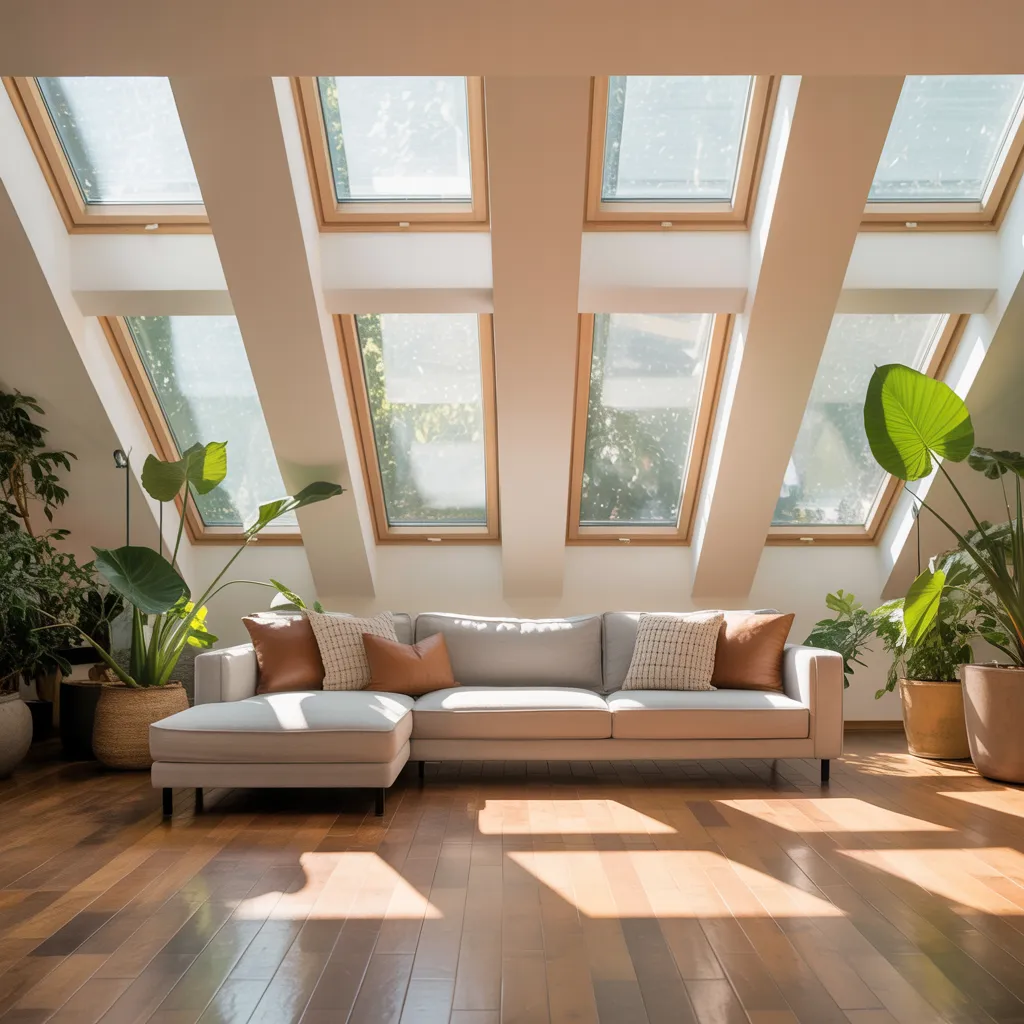
Learning About the Benefits of Skylights for Your Home
Skylights deliver numerous advantages that can greatly enhance a home's character and efficiency. They channel natural light into rooms that may otherwise appear dark or cramped, creating a more inviting environment. This abundance of natural light can decrease dependence on artificial lighting, leading to reduced energy costs. Furthermore, skylights can boost air circulation, especially when operable models are chosen, allowing hot air to exit and fresh air to enter.
Furthermore, skylights create a relationship to the exterior, allowing occupants a look of the sky and surrounding environment. This visual bond can improve morale and promote overall health. Additionally, thoughtfully situated skylights can enhance the aesthetic appeal of a home, contributing a modern element that can boost property appeal. Overall, the advantages of skylights surpass mere aesthetics, supporting energy efficiency, ease, and an improved quality of life throughout the home.
Exploring the Different Kinds of Skylights: Identify Your Best Fit
While researching skylights, it is crucial to understand the various types available, each delivering specific perks tailored to various environments. The choice of skylight can significantly influence natural light, efficiency, and overall design, making the optimal placement critical. By comparing these factors, homeowners can determine the best fit for their particular preferences.
Skylight Types Explained
Natural light is capable of transforming any space, and selecting the right type of skylight is essential for achieving the desired effect. There are several types of skylights to evaluate, each created for distinct purposes and aesthetic qualities. Fixed skylights deliver a consistent source of natural light, perfect for spaces where airflow is not required. Ventilated skylights, on the other hand, can be opened to allow fresh air in, making them an excellent choice for kitchens and bathrooms. Tubular skylights channel sunlight through reflective tubes, ideal for compact spaces. Lastly, dome skylights present a remarkable design and are commonly employed in commercial applications. Recognizing these choices helps establish which skylight most closely matches the unique requirements and style of a space.
Benefits of Each Type
Selecting the best skylight can significantly elevate both visual appeal and practicality in any area. Each model offers unique benefits suited for particular needs. Non-opening skylights, for instance, offer ample natural light and are perfect for improving a room's brightness without ventilation. Opening skylights, on the other hand, improve air circulation, making them ideal for bathrooms and kitchens. Tube skylights are a great option for compact or restricted spaces, providing diffused light without affecting space. Skylights featuring integrated blinds provide versatility, permitting users to adjust light levels and privacy. Finally, eco-friendly designs contribute to reducing heating and cooling costs, promoting overall energy savings. Knowing these advantages is essential for arriving at a knowledgeable conclusion.
Ideal Installation Locations
Skylight positioning plays a vital role in maximizing their benefits and enhancing the overall atmosphere of a space. Optimal placements include areas that need natural light, such as bathrooms, kitchens, and living rooms. South-facing skylights excel at capturing daylight throughout the day, while north-facing choices offer uniform, soft light with no harsh glare. Furthermore, east-facing skylights welcome morning light, encouraging a bright beginning to the day, whereas west-facing placements collect afternoon rays, making them excellent for evening relaxation. For rooms with high ceilings, installing skylights near the apex can create a dramatic effect and improve ventilation. At the end of the day, the decision on skylight type and positioning should match the particular lighting demands and architectural design of the space.
Essential Factors to Consider When Choosing Your Skylights
When picking out skylights, it is important to consider natural light needs and energy efficiency options. Distinct areas may need differing amounts of light, impacting the selection of the ideal skylight dimensions and positioning. Furthermore, energy-efficient models can greatly reduce climate control costs, making them a smart investment.
Natural Light Requirements
Natural light serves a fundamental role in improving the atmosphere and practicality of any area, as it influences both mood and energy efficiency. When deciding on skylights, it is essential to examine the unique natural light demands of the room. Reflect on the room's intended use; for instance, living areas benefit from abundant light, while bedrooms may require softer illumination. The direction the space faces also plays a role; south-facing skylights generally gather more sunlight during the day, while north-facing alternatives offer a steadier, softer radiance. Moreover, the proportions and form of the skylights should match the intended brightness, fostering a well-balanced atmosphere. At the core, comprehending these considerations confirms that the right skylights satisfy the individual lighting demands of each room.
Efficient Energy Options
Energy efficiency plays a vital role when evaluating skylight options, as it has a direct effect on both operational costs and environmental responsibility. When evaluating options, considerations like glazing type, frame materials, and insulation properties deserve careful attention. Double or triple glazing delivers outstanding insulation performance, minimizing heat loss during winter and heat gain in summer. Low-emissivity (Low-E) coatings serve to boost energy efficiency by redirecting infrared rays while permitting natural light transmission. In addition, skylights with thermally efficient frames, such as vinyl or fiberglass, effectively reduce thermal bridging. Proper installation is essential to avoid unwanted air gaps, maintaining peak functionality. Selecting ENERGY STAR-certified skylights can substantially decrease energy expenses while supporting a greener household.
Selecting the Ideal Size and Placement for Skylights
Identifying the ideal placement and size for skylights is crucial for optimizing their advantages. The size of a skylight should match the dimensions of the room and the required degree of natural light. Bigger skylights can considerably enhance the brightness of a space but may necessitate thoughtful planning to avoid excessive heat or glare.
Positioning is just as crucial; for best results, skylights should be positioned to maximize sunlight exposure throughout the day while limiting direct light penetration during the hottest parts of the day. This can boost comfort levels and energy performance.
Evaluating room function is a key factor; as an example, a kitchen may benefit from a skylight positioned above work areas, whereas a living room may place greater emphasis on visual appeal. Additionally, assessing the current architectural elements and roof pitch can assist in identifying optimal placement. Careful sizing and deliberate placement ultimately support a seamless combination of natural illumination and environmental regulation, elevating the general atmosphere of the area.
Skylight Materials You Need to Know About
When considering skylights, the choice of materials plays an essential role in their long-term performance and lifespan. Frequently utilized materials include glass, acrylic, and polycarbonate, each offering distinct advantages. Glass is commonly chosen for its robustness and ability to resist UV rays but may prove to be heavier and pricier. It also provides excellent clarity and thermal insulation when constructed with double or triple glazing.
Acrylic, being lightweight and more impact-resistant, is a popular choice for those seeking cost-effectiveness. However, it may scratch more easily and can be less effective at insulating than glass.
Polycarbonate stands out as another solid option, celebrated for its exceptional impact resistance and energy-saving properties. This material can also provide UV protection, making it an ideal choice for a wide range of climate conditions.
Ultimately, selecting the appropriate skylight materials should be guided by the specific needs of the space, taking into account aesthetics, functionality, and budget.
Should You Install Your Skylight Yourself or Hire a Professional?
How does a homeowner decide whether to handle a skylight installation as a self-managed project or work with a professional contractor? This determination typically relies on several factors, including skill level, project complexity, and safety concerns. For those with a solid background in home improvement and a thorough understanding of roofing, a DIY method may be practical. They can potentially save on labor costs and enjoy the satisfaction of completing the project themselves.
Even so, skylights necessitate precise installation to stop leaks and maintain structural integrity. Enlisting a professional can minimize risks, particularly for homeowners unfamiliar with roofing or construction. Experienced specialists provide expertise, specialized tools, and familiarity with local building codes, which can get the full story simplify the process and improve overall quality. In the end, weighing personal ability against the complexities of skylight installation will assist homeowners in making an informed choice between doing it themselves and hiring a professional.
Boosting Energy Efficiency With Skylights: Tips and Tricks
Skylights can greatly enhance energy efficiency in a home, most notably when carefully situated and expertly fitted. For maximum benefit, homeowners ought to think about skylight placement and direction; south-facing skylights take in generous amounts of sunlight, while north-facing installations offer uniform, gentle illumination without producing excessive warmth. Utilizing low-emissivity (Low-E) glass can minimize heat transfer, keeping interiors cooler in summer and warmer in winter.
Moreover, integrating shades or blinds can additionally regulate lighting and temperature, enabling versatile energy management. Proper insulation around the frame of the skylight is necessary to prevent air infiltration, which can lead to significant energy waste. Moreover, opting for efficient skylight models that meet ENERGY STAR® standards can substantially lower energy costs for heating and cooling.
Proper maintenance, including inspecting and cleaning seals, secures peak performance over time. By applying these guidelines, skylights can function as a valuable asset in maximizing energy efficiency in any space.

Questions We Often Receive
How Do Skylights Influence Interior Temperatures Across All Seasons?
Skylights can significantly impact indoor temperatures year-round. During summer months, they can contribute to higher heat gain, while during winter, they help maximize natural light and warmth. Careful positioning and planning are critical for achieving ideal thermal comfort.
Are Skylights Compatible with All Roof Types?
Skylights are not suitable for all types of roofs. Factors such as roof pitch, material, and structural integrity determine their installation. A thorough evaluation ensures optimal performance and helps avoid potential leaks or structural problems over time.
What Upkeep Do Skylights Need Over Time?
Skylights demand consistent care, which includes washing the glass surfaces, checking seals for leaks, and inspecting flashing. Periodically, homeowners should assess the surrounding roof condition to ensure adequate drainage and protect against water damage over the years.
Do Skylights Help Cut Down on Electricity Bills?
Skylights can certainly contribute to reducing energy expenses by boosting natural light levels throughout a space, consequently minimizing dependence on electric lighting. This may result in considerable energy savings, most notably in strategically located and adequately insulated setups.
What Are the Best Brands for Skylights?
Top skylight names consist of Fakro, Velux, and Roto. These companies have earned recognition for their outstanding quality, outstanding energy performance, and innovative designs, rendering them popular choices for homeowners and builders in search of ideal natural lighting solutions.